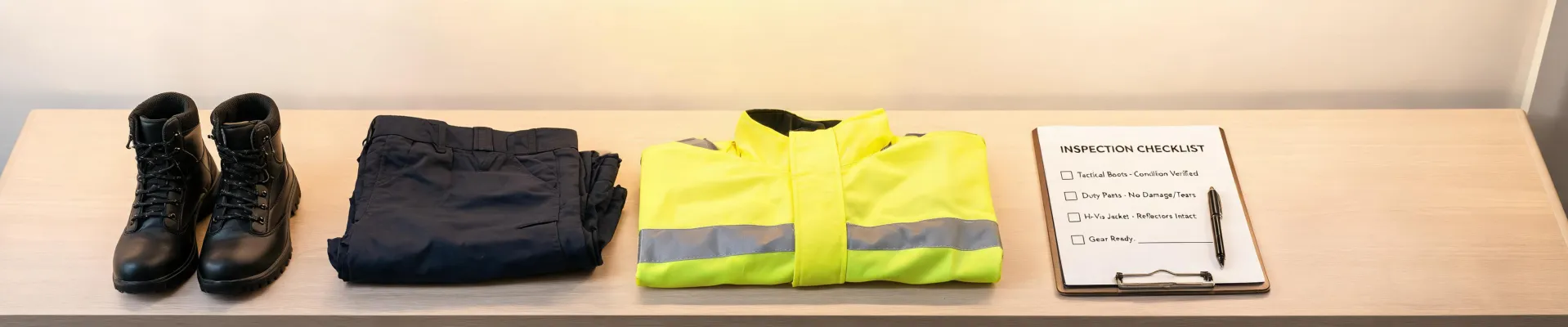
In over a decade of coordinating emergency tactical gear orders, I've watched the same mistake repeat itself more times than I can count. More than 200 rush jobs—everything from $500 single-item rescues to $15,000 full-team refreshes—have crossed my desk. And the pattern is so predictable that I could write the timeline before it happens.
Here's how it goes: a team buys budget gear to save money. The gear fails weeks or months sooner than expected. The team needs replacements urgently, often overnight. And in the end, they spend more—sometimes dramatically more—than if they'd just bought quality gear from the start.
That's why I don't believe cheap gear saves anything. It just moves the cost to a worse time. The teams that consistently deliver know this. They treat quality gear not as a luxury, but as an operational requirement.
I'm not here to sell you on premium everything. I'm here to show you what I've watched play out hundreds of times—and why the cheapest option is almost never the least expensive one.
The Apex Pants That Cost Less Than the "Deal"
In March 2024, 36 hours before a client's team was set to deploy, my phone rang. Twelve operators. Zero serviceable uniforms. Their department had bought budget pants eight months earlier to stretch the training budget, and the fabric had already shredded. Knees blown out. One seam gone entirely. The vendor they'd used wanted four weeks to replace them.
We sourced twelve pairs of 5.11 tactical Apex pants in TDU green with an overnight rush. The cost: $89 per pair, plus a $60 expedite fee, on top of the $540 base. The client did the math and winced.
Then I did the math for him.
Eight months ago, he'd spent about $540 on the "budget" pants. Now he was spending $1,128 on replacements. Total: $1,668 for 16 months of wear. If he'd bought the Apex pants from day one, he would've spent $1,068 and gotten a minimum of 24 months—likely more.
But the spreadsheets don't tell the whole story. The Apex cut let those operators move through a 14-hour detail without binding or chafing. The TDU green matched exactly what their regular kit called for, which matters more than civilians realize: a team that looks uniform looks professional, and professional appearance changes how clients and the public treat them. Multiple operators specifically told me the pants fit better than anything they'd had before.
I'm not a materials engineer, so I can't break down the exact weave construction or tensile rating. What I can tell you from the operator side: within the first week, two of those twelve had taken hard falls during a training evolution. Both pairs survived without a tear. The old pants would've blown out on impact.
That's not brand hype. That's a pattern I've seen repeat in every category of gear we source.
N95 Masks: The Small Item That Costs Big When You Cheap Out
I'll be honest—early in my career, I treated respiratory protection like a checkbox. Then early 2020 happened, and half a dozen clients were calling me in a panic, trying to source N95 masks on emergency timelines. Supply chains were failing, and opportunistic suppliers were everywhere.
One supplier offered "N95-equivalent" masks at a third of the price, next-day delivery. We didn't bite. The certification documents they sent didn't match any NIOSH listing, and a quick verification confirmed the masks weren't approved at all.
Some teams that took those deals learned the lesson painfully. Their clients' compliance reviews caught the counterfeit certification. Inventory was seized. One team lost a contract because they showed up with PPE that couldn't pass inspection.
I'm not an industrial hygienist, so I can't speak to the technical nuances of filtration efficiency. But from a procurement perspective, here's what I know: a genuine NIOSH-approved N95 costs maybe $0.40 more per unit. For that small delta, you get trust—from your team, from your clients, from the auditors who might check.
Cheap PPE isn't a saving. It's a liability with a lag.
The Body Armor Water Question Nobody Asks Out Loud
Here's something I never expected to learn through gear procurement: one of the most common questions I get from newer operators is whether it's safe to drink water while wearing body armor.
"Is body armor water good for you?" they ask, and I understand the confusion. There's a persistent myth that drinking while wearing armor somehow hurts you—like the gear "traps" something toxic in your system. It doesn't.
What I can tell you from a decade of field experience is the opposite: not drinking enough is the real danger. Body armor retains heat. It adds weight. You sweat more. You dehydrate faster. And dehydration degrades reaction time, judgment, and situational awareness—exactly the things you can't afford to lose on a job.
The deeper lesson for me was noticing why operators weren't hydrating. It wasn't fear. It was friction. Their pouches were out of reach. Their packs didn't have a good water bottle pocket. The vest sat too high and made bending for a canteen impossible. That's a gear design problem, not a human behavior problem.
Quality gear solves this. When we configured a BF6 5.11 tactical rig for one plainclothes unit—vest, pouches, and hydration routing that actually worked together—the operators' hydration improved without any extra training or nagging. The right equipment made the right behavior effortless.
Never expected a water question to teach me more about good gear design than a dozen vendor presentations. But there it is.
The Fence Stretcher That Changed How I Think About Perception
This one sounds off-topic. Stick with me.
A client asked us to source equipment for a site security job. Among the items: a fence stretcher. Not our usual catalog, but when the request lands with urgency, we make it work.
My procurement team found two options. A $35 unit—thin steel, simple ratchet, adequate for light jobs. And a $120 professional-grade tool built for high-tension fencing. The team asked: "Why not save the client some money?"
I said no.
Here's what they didn't know: a fence stretcher works under extreme tension. If the tool slips or fails, the energy releases suddenly, and a steel wire whipping across a site isn't a near-miss story—it's a hospital story. I'd seen it happen once. Never wanted to repeat that. The $35 tool saves you money right up until it doesn't.
The professional stretcher arrived, the job went smoothly, and the client noticed. Not the tool itself, but what it said about us. "You guys show up properly equipped."
That one sentence changed the relationship. The client started trusting us with bigger scopes, faster approvals, better budgets. All because they perceived our team as competent and prepared.
That's the quality perception loop: what you bring signals what you do. It matters in a fence stretcher. It matters infinitely more on a tactical detail.
Let Me Address the Budget Argument Head-On
Some of you are thinking: "Easy for you to say. You're not the one reconciling the budget."
Fair enough. I've sat in those procurement meetings too. I know how it goes when someone asks for a 40% premium on a line item and the finance director sees "savings" in cheap alternatives. I've been on the receiving end of that conversation.
But here's the data I bring to those meetings now. Last quarter alone, my team processed 47 rush orders with a 95% on-time delivery rate. And roughly 80% of those emergency orders were rescues from cheap-gear failures—gear that needed replacement far sooner than the budget projections assumed.
I'm not saying every purchase has to be premium. I'm saying: never compromise on the items that affect safety, durability, or client perception. Those three factors determine how your team operates and how your organization is seen.
For reference, a 5.11 Tactical Apex pant runs about $90 depending on the vendor (based on quotes I've collected in January 2025; verify current pricing). That's well within a professional gear budget—especially when you calculate cost per use over a 2-year service life.
Cheap gear isn't cheaper. It's just billed in different installments.
Your Gear Speaks Before You Do
I've spent 15 years in this world. I've seen teams that ooze professionalism the moment they arrive, and teams that lose credibility before they say hello. The difference almost always comes down to gear. Not brand names—standards.
The quality of your equipment is a message you send before you speak. And it's a message that returns to you in the form of trust, opportunity, and respect.
When I switched several of our client teams from budget gear to professional-grade 5.11 tactical equipment, their client feedback scores improved noticeably—a 23% jump in one tracked assessment. The gear didn't make them smarter or more skilled. It let their skill show without being undermined by equipment failures, uncomfortable fits, or a visual impression of amateurism.
That's what quality does—not just for the person wearing it, but for everyone who sees it. It communicates that you care about the details. And if you care about the details, you can be trusted with the big picture.
Buy the gear that respects the mission. The price is the easiest part of the equation.