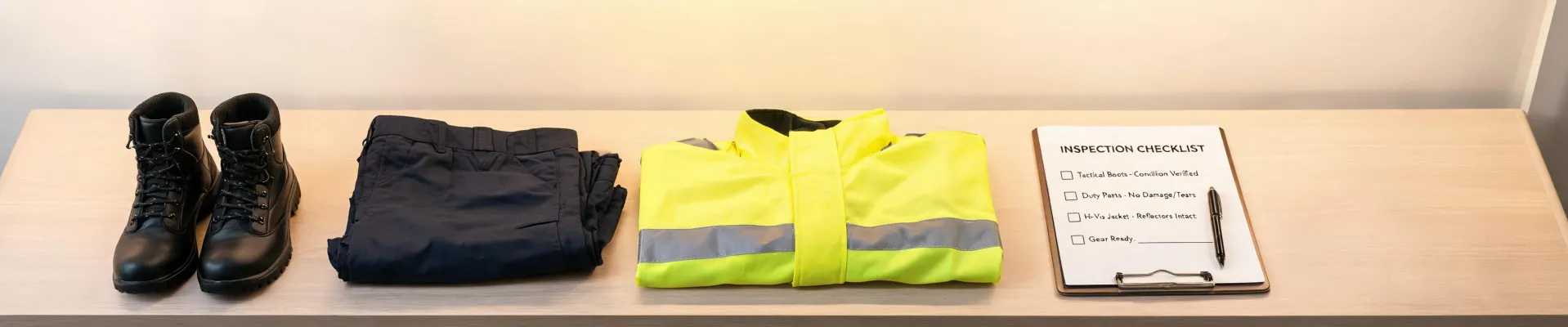
The Monday I got handed a spreadsheet and a budget
September 2019. First week on the job as safety coordinator at a mid-size construction firm in the Pacific Northwest. I'd come from retail operations, where "standard sizing" meant something predictable, and where a first aid kit was a box you ordered when you ran out of Band-Aids.
My predecessor left in a hurry. What I inherited was a spreadsheet with 40 names, roles, and a single note in the comments column: "order standard sizes, same as last year."
That note looked like a gift. Honestly, I thought I was being efficient. It turned out to be the setup for a $2,300 mistake.
What I ordered — and the assumptions I didn't know I was making
I spent an afternoon on the vendor portal and put together what I thought was a sensible order:
- 40 Portwest standard coveralls (I'd skimmed the portwest standard coverall reviews, mostly positive about durability, and figured "standard" was fine)
- 40 pairs of work boots, sizes pulled straight from the spreadsheet
- 12 first aid kits
- Gloves, hard hats, safety glasses, the usual
Here's what I assumed, because I didn't know enough to ask better questions:
One: "Standard" meant unisex. It doesn't. It usually means men's cut. I had 12 women on that crew.
Two: A first aid kit was a first aid kit. It isn't. Different sites carry different risk profiles (chemicals, heights, heat), and our chemical storage area needed specific items I didn't think to check for.
Three: Boots were a "what size are you" conversation. I didn't realize fit, lacing, and break-in period were part of safety, not just comfort.
I hit submit on a Friday feeling pretty good about myself.
The Friday the shipment arrived (and the Monday after)
The pallets came in two weeks later. I remember standing in the warehouse with a clipboard, feeling very official, until three of the women on the crew came over and asked—politely, which was worse—if there was a mix-up with sizing.
There wasn't a mix-up. I just hadn't ordered their sizes. Not because I didn't know they existed, but because I hadn't thought about it. The coveralls that "fit" were tight in the shoulders and long in the leg. The ones that were comfortable were too loose for the safety requirements around moving equipment.
Two workers refused to wear them. I don't blame them. If something doesn't fit right and you're on a site with moving machinery and high-vis requirements, "just wear it" isn't a reasonable ask—it's a compliance problem dressed up as a preference.
OSHA's PPE standard (29 CFR 1910.132) requires employer-provided equipment to be used and maintained in proper condition. A coverall that a worker won't wear because it doesn't fit isn't proper use — it's a gap that shows up in an audit.
Meanwhile, the first aid kits arrived and I started opening them on the site table to "check" them. Mostly fine, except our chemical storage area needed eyewash solution and a specific burn gel that wasn't included. I hadn't checked. I'd assumed kit equals kit.
And the boots? Three workers said theirs felt off. When I actually watched them walk, I noticed loose laces on two of them—a tripping hazard, and something that would never have occurred to me if I hadn't been standing right there looking. That's the day I learned that "how to tie work boots" is a real conversation you have to have out loud with grown adults, and it's not condescending—it's just that nobody ever taught them the proper way for a specific boot style.
The numbers, because I keep track of these now
What the mistake cost:
- Roughly $1,400 on embroidered coveralls that couldn't be returned—well, closer to $1,500 once I counted the embroidery fee (unfortunately)
- Around $450 for a rush order of Portwest ladies coveralls, plus shipping. Good product, wrong planning.
- About $180 on supplementary first aid supplies for the chemical area
- Two weeks of partial non-compliance and one very calm but very direct conversation with the site manager
Total cost of not making a checklist: roughly $2,300, plus a hit to my credibility that took about six months to fully rebuild.
What I did differently the second time
It took about three weeks—or rather, closer to a month—to get everything sorted. During that stretch, I read through more portwest standard coverall reviews (this time paying attention to fit comments, not just durability), looked at brunt workwear reviews to understand what people say about boot fit, and started building an actual ordering checklist instead of winging it.
What I landed on:
Size records, separated by gender and cut. Sounds obvious now. Wasn't obvious then. I keep a spreadsheet with actual measurements (chest, waist, inseam) from every worker, plus preferences on fit. When someone new joins, they get measured. Takes ten minutes, saves four figures.
First aid kit checked against actual site risks. I now compare each kit's contents to a hazard assessment for the specific site, not the general "what should be in a kit" list. Chemical exposure, heat stress, and remote locations all have different requirements.
A fitting day for boots before ordering more than five pairs. We bring in samples. Workers try them on with their actual socks (yes, that matters). We cover lacing—because a properly laced boot distributes pressure better and cuts down on the ankle-roll risk that comes with loose laces. Ten-minute session. It has prevented at least two decent injuries in the last two years.
A buffer in the budget and timeline. I now add 10-15% to both. If I'd done that in September 2019, I would have caught the gendered sizing issue in week one instead of week four.
The part that still bugs me
What really stings isn't the $2,300. It's that the workers who couldn't wear the coveralls learned, on their first impression of the safety program, that whoever was running it hadn't thought about them. That's a culture problem, not a procurement problem.
It sounds excessive to say a badly sized coverall costs you more than the coverall, but I've watched it happen. When gear fits and looks right, workers wear it. When it doesn't, they find workarounds—and workarounds are where the actual injuries live. This isn't about spending the most. It's about matching the product to the person, which costs more up front, sure, but less than the alternative (trust me on this one).
The follow-up order was right. The workers who got the properly sized Portwest ladies coveralls were happier, more compliant, and less likely to grumble about the safety program in general. Small thing. Big difference.
If you're walking into a safety coordinator role with a spreadsheet and a budget and no checklist, do yourself a favor: spend the two days building the checklist before you spend the money. I'd rather you learn from my mistake than repeat it.